

Understanding Dubai Property Investment for Foreign Investors
Dubai’s property market attracts buyers from different countries because it offers residential, investment, and off-plan opportunities across a wide range of price points. For foreign investors, however, choosing a property requires more than finding an attractive listing.
A data-driven framework for evaluating Dubai properties by rental yield, capital appreciation, entry price, developer track record, supply pipeline, payment structure, liquidity, and investment risk helps foreign investors compare opportunities more objectively before committing capital.
A high ROI property investment Dubai opportunity depends on rental income, pricing, demand, development quality, payment terms, and resale potential, making reliable information essential for remote foreign investors.
Why Dubai Attracts International Property Investors
Dubai’s diverse property market includes established communities, new developments, luxury residences, and investment-focused properties. Foreign buyers can choose based on their objectives, capital, and expected holding period. Reviewing the Dubai developer track record also helps investors compare projects and assess relevant development experience.
Both completed and off-plan properties are available. Therefore, investors can weigh immediate rental potential against projects where returns may depend more on future development and completion.
Key Factors That Influence Property ROI in Dubai
Return potential is rarely determined by one feature. A property’s price, rental income, location, demand, expenses, and future market conditions all interact.
Investors should also consider liquidity. A property may produce rental income but have a narrower resale market. Similarly, a lower purchase price does not automatically mean stronger returns if tenant demand is weak.
Therefore, ROI should be viewed as a combination of income, potential appreciation, costs, and Dubai property investment risk factors rather than a single percentage.
How Foreign Investors Can Identify High-ROI Properties
Property-level analysis helps investors separate a promising opportunity from a property that simply has strong marketing.
Rental Yield and Potential Capital Appreciation
Rental yield provides an indication of the income a property may generate relative to its purchase price. However, gross yield does not account for every cost associated with ownership.
Service charges, maintenance, vacancy, management expenses, financing, and other costs can affect the actual return. This is why Dubai property investment rental yield should be assessed alongside the property’s wider financial structure.
Capital appreciation is another consideration. Capital appreciation in Dubai property depends on factors such as location, demand, infrastructure, development quality, and future supply. Historical performance can provide context, but it should not be treated as a guarantee of future growth.
Property Type, Price, and Demand
The property type should match the demand profile of its intended market. Apartments, villas, townhouses, and other formats can attract different tenant and buyer groups. Price also needs context, so comparing asking prices with similar properties, unit size, condition, location, rental income, and amenities gives a clearer assessment.
Strong demand can support both rental occupancy and resale interest. However, investors should examine demand at the community and property level rather than relying on broad market assumptions. Dubai property capital appreciation should also be assessed alongside current pricing, location fundamentals, and potential future demand to understand the property’s overall investment outlook.
Off-Plan vs Ready Properties
Ready properties can provide clearer visibility into existing rental performance, occupancy, condition, and surrounding infrastructure. This can make current income easier to assess.
Off-plan properties involve a different investment profile. The investor may benefit from a structured payment plan and exposure to a developing community, but future performance depends on factors such as construction progress, completion, market conditions, and supply.
Neither category should be assessed in isolation. The appropriate choice depends on the investor’s timeframe, cash-flow position, return expectations, and tolerance for uncertainty.
How to Identify High-ROI Locations in Dubai
Location remains one of the most important factors in property performance. It affects tenant demand, resale interest, accessibility, and the long-term development of the surrounding market.
Established Areas With Strong Rental Demand
Established communities can offer clearer evidence of rental activity because existing properties, tenants, amenities, and infrastructure provide observable market signals.
Investors comparing the best Dubai areas for property investment should look beyond general popularity. Rental levels, occupancy, property prices, nearby employment centres, amenities, and competition between similar properties can provide more useful information.
Emerging Areas With Growth Potential
Emerging communities may offer different opportunities because infrastructure and surrounding development can evolve over time. Entry prices may also differ from those in more mature locations.
However, future growth should not be assumed. Investors need to examine what development is actually planned, how quickly the area is progressing, and whether future demand is likely to support additional inventory.
Connectivity, Amenities, and Future Development
Accessibility can influence how attractive a property is to both tenants and future buyers. Connections to major roads, business districts, retail destinations, schools, leisure facilities, and other everyday amenities can strengthen a property’s practical appeal.
Future infrastructure can also affect an area’s trajectory. At the same time, investors should consider planned residential supply because new developments may increase both choice and competition.
How to Evaluate High-ROI Property Projects
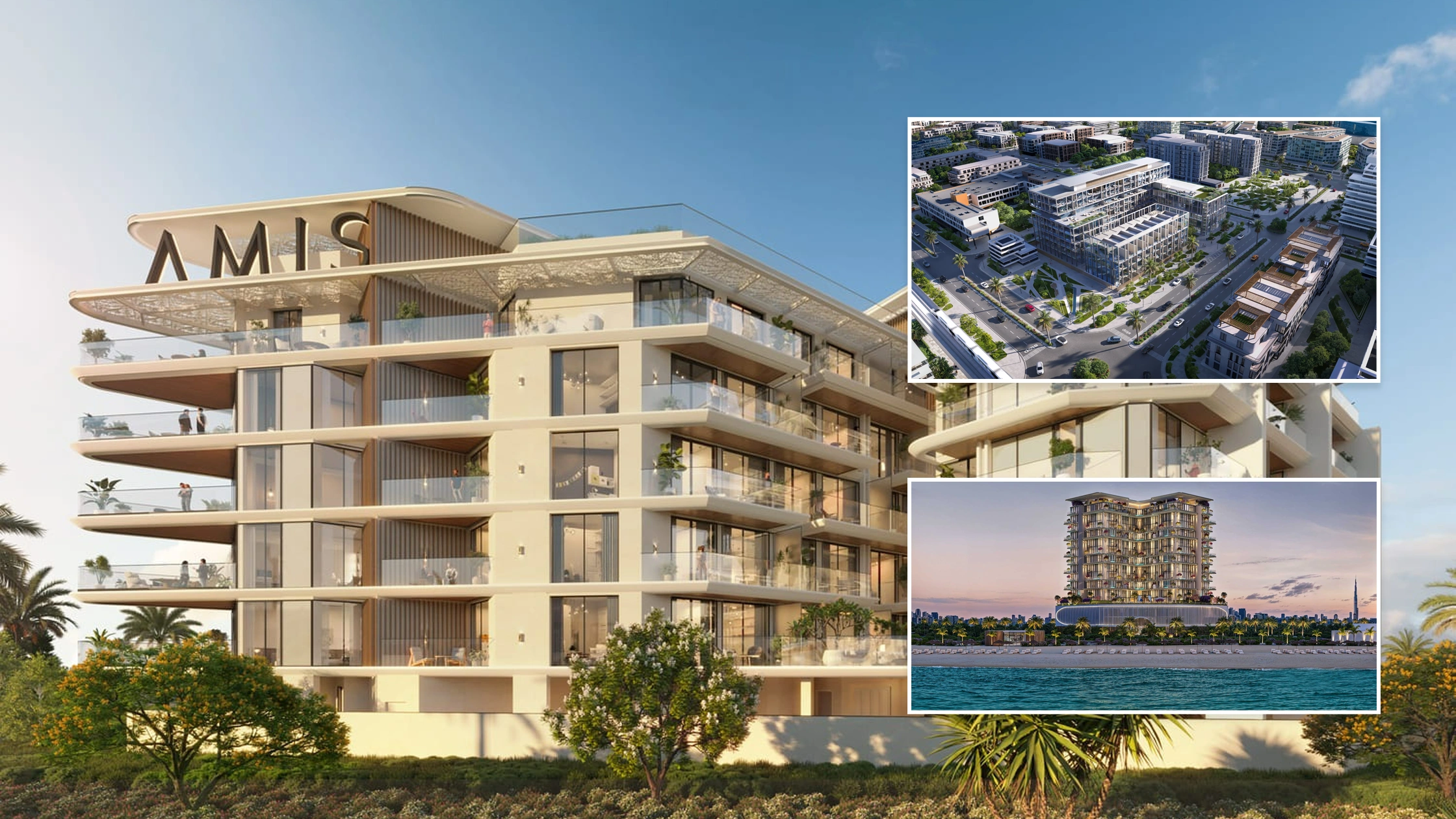
Once a suitable location has been identified, the individual project requires closer examination. Project quality can materially change the investment case even when two properties are located in the same area.
Developer Reputation and Project Track Record
The Dubai developer track record can provide useful context when evaluating a project. Investors can examine previous developments, delivery history, construction quality, community execution, and market reputation.
A recognised developer does not make every project automatically suitable. Project-specific pricing, location, design, supply, and demand still require independent consideration.
Project Location and Accessibility
The immediate surroundings of a development can be just as relevant as its broader district. Investors should consider road access, nearby facilities, surrounding developments, views, property orientation, and the overall maturity of the community. These factors can influence tenant preferences as well as future resale interest.
Payment Plans, Handover, and Expected Returns
Payment structure determines when capital is deployed, while handover timing affects when income may begin. Off-plan and ready properties can have different funding requirements. Therefore, expected returns should be assessed against realistic costs, timelines, market conditions, and achievable outcomes rather than promotional projections alone.
Important Costs Foreign Investors Should Consider
The purchase price is only one part of the overall investment requirement. A sound Dubai real estate investment strategy also considers acquisition expenses, financing, ownership costs, and ongoing property expenses to assess the total capital commitment more realistically.
- Purchase and registration costs
- Mortgage and financing expenses
- Service charges and maintenance costs
- Property management and leasing expenses
- Resale, vacancy, and other ongoing costs
Common Mistakes to Avoid When Investing in Dubai Property
One common mistake is focusing entirely on advertised rental yield. A strong headline figure can become less meaningful once ownership expenses and vacancy are considered.
Another is choosing a location solely because it is widely recognised. Market performance can differ considerably between communities and even between developments within the same district.
Investors should also avoid overlooking future supply. Dubai property supply and demand can change as new projects enter the market, potentially affecting rental competition and resale conditions.
Conclusion
Dubai property investment can offer opportunities across rental income, capital growth, and long-term ownership. However, identifying the right opportunity requires more than comparing advertised prices or headline rental yields.
A high ROI property investment Dubai assessment should consider entry price, rental performance, appreciation potential, developer history, future supply, payment structure, liquidity, ongoing costs, and investment risk. These factors provide a clearer view of the property’s overall financial profile.
At mineola Real Estate LLC, we help you assess suitable Dubai property opportunities with greater clarity. Explore your options with us and make your next investment decision with a structured, informed approach.